

Installing Kitchens Across 200+ Apartments: Inside a Major Residential Development
A practical look at how large-scale kitchen installation works across 200+ apartments, from delivery sequencing and site planning to snagging and phased handover.
Project scale
200+ apartments across multiple handover phases
Installation scope
Kitchens, appliances, dining setups, final presentation
Operating environment
Live construction site with active access constraints
When a development moves past shell-and-core and starts turning into completed homes, the kitchen installation package becomes one of the most visible parts of the programme. It is where programme pressure, quality expectations, appliance coordination, and final presentation all meet.
On a scheme with 200+ apartments, the work is not just about fitting units neatly. It is about sequencing deliveries, understanding repeated apartment types, keeping pace with other trades, and handing over kitchen after kitchen without quality slipping on the hundredth unit.
Pull quote
“On a 200+ apartment scheme, pace only matters if the hundredth kitchen lands with the same finish as the first.”
That is the difference between a labour-only team and a real installation partner.
Project gallery
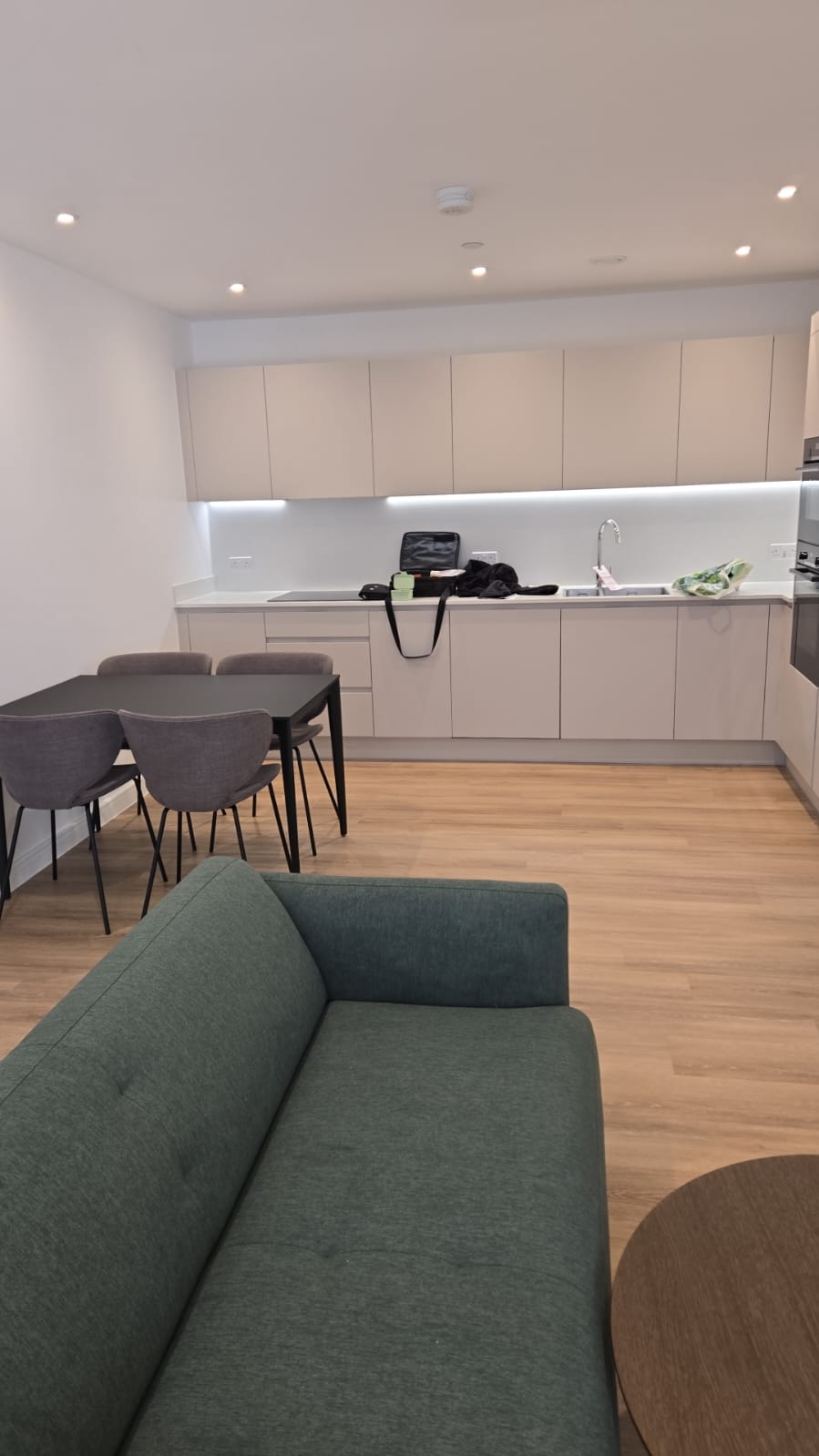
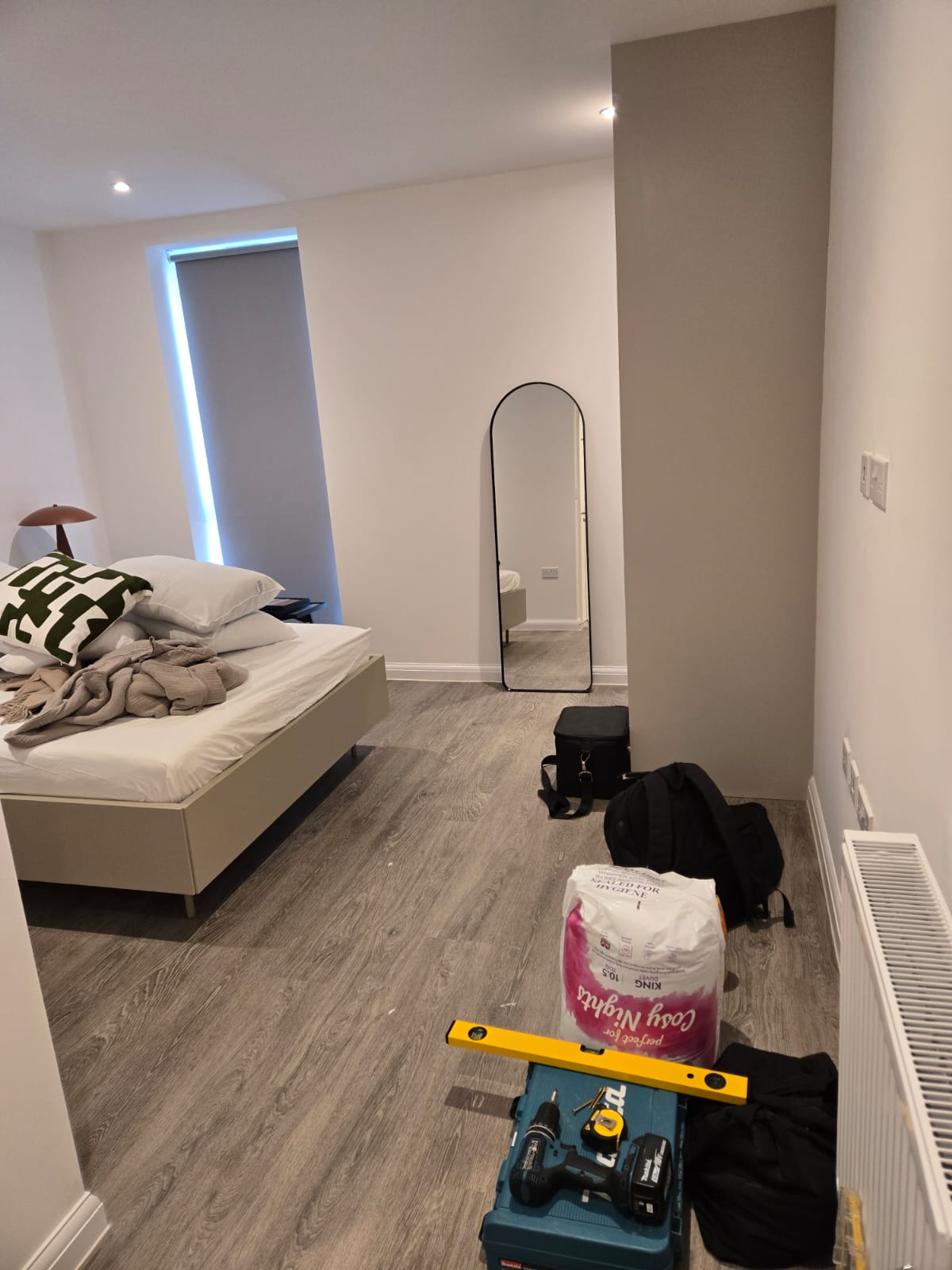
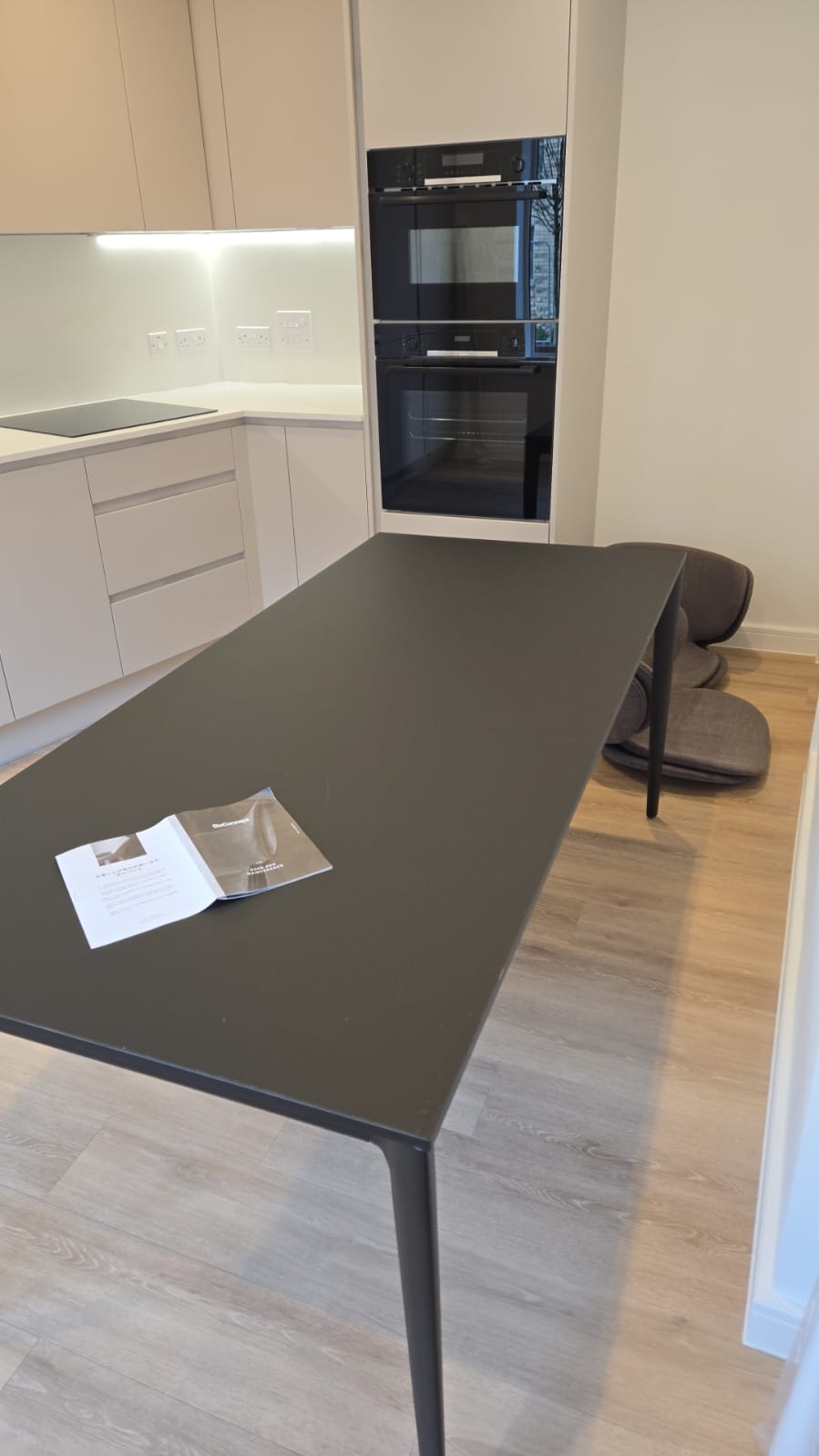
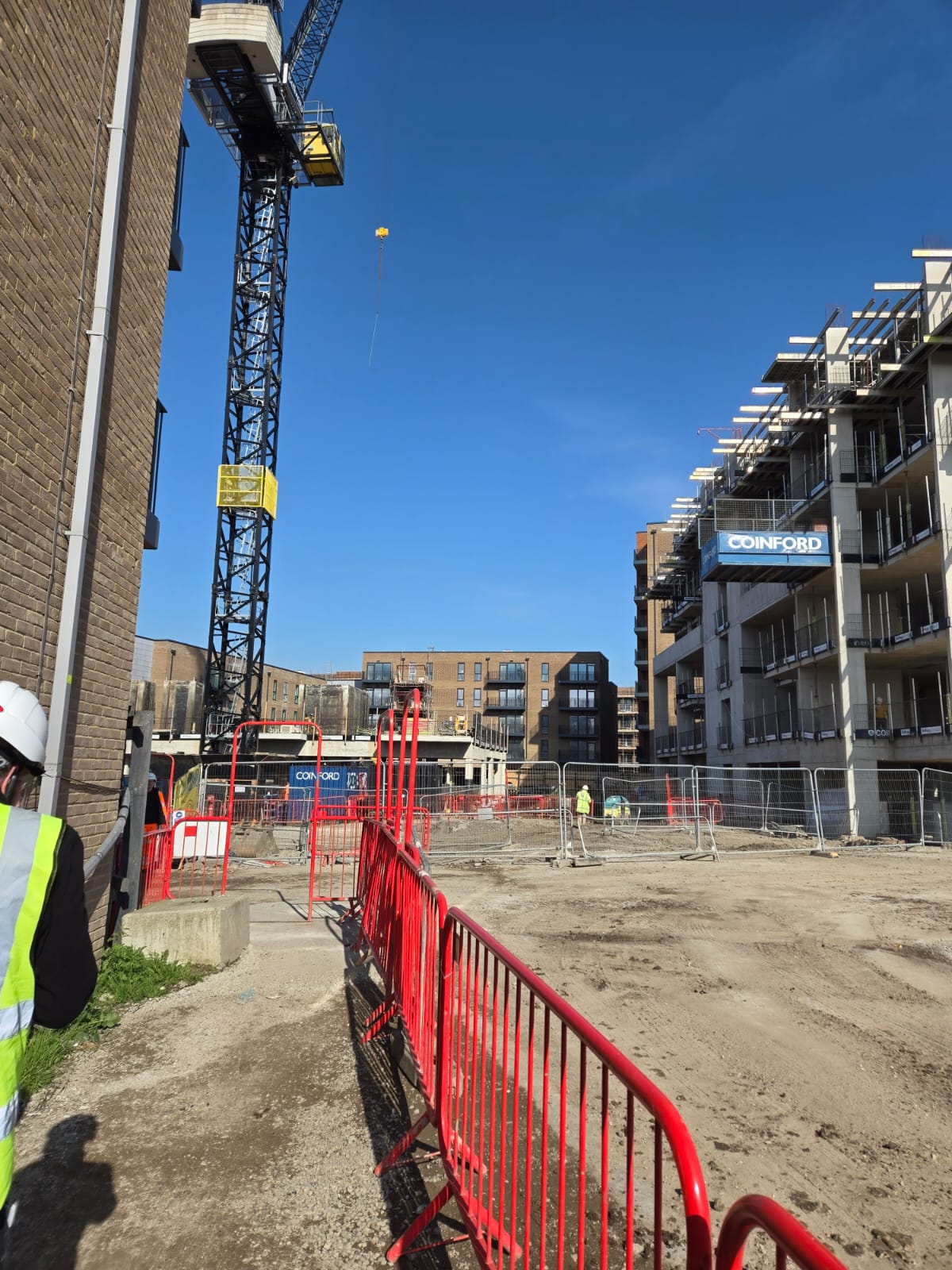
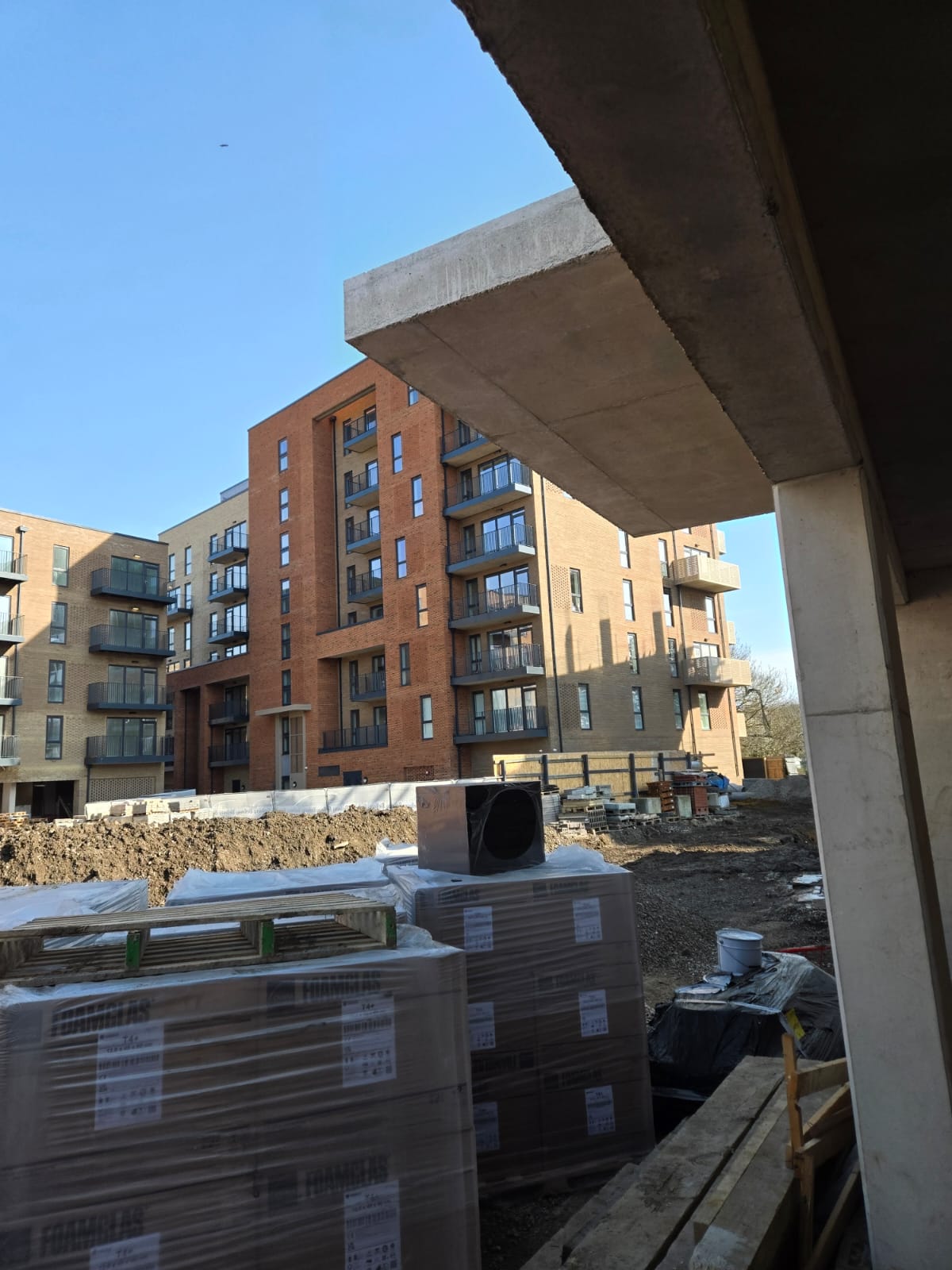
From site logistics to handover-ready apartments
Full-width hero imagery, working detail, and finished spaces from the same programme.
The job is won or lost before the first kitchen is delivered
Large-scale residential installation only runs smoothly when the planning is detailed enough to survive real site conditions. Apartment numbers, unit types, delivery sequences, lift access, storage points, appliance lead times, and floor-by-floor handover dates all need to be clear before the teams start.
The fastest way to lose time on a big development is to treat every apartment like a separate one-off job. The better approach is to build a repeatable plan around clusters of similar units, so the site team knows exactly what is arriving, where it is going, and what needs to be completed before the next trade steps in.
- Map every apartment type before installation starts
- Align kitchen, appliance, and finishing deliveries to the real handover programme
- Plan access routes and storage so installers are not losing time moving materials around site
Standardisation is what makes 200+ apartments manageable
On schemes like this, repeated layouts are an advantage if the installation partner knows how to use them. Once a team understands the kitchen format, appliance positions, worktop details, and the common snag points, pace improves without lowering the standard.
That matters because developers do not just need kitchens fitted. They need apartments that feel consistently finished from one block to the next. Standardised fitting sequences, repeat quality checks, and disciplined sign-off routines are what keep that consistency intact.
- Use the same fitting sequence across repeated layouts
- Check alignment, appliance fit, and finishing details before moving to the next unit
- Keep snagging short by solving repeat issues once instead of rediscovering them apartment by apartment
Live sites demand calm coordination, not heroics
Residential developments at this scale are still busy environments when installation teams arrive. Cranes are active, external works are moving, deliveries are stacked around the site, and access can change quickly. That means the installation partner has to stay organised and communicate clearly with site management, not just turn up with tools.
The teams that help a project are the ones who can adapt without creating noise. If a floor is not ready, they switch intelligently. If lift access tightens, they resequence. If snagging appears across a repeated layout, they correct it systematically. That is what keeps momentum on a large programme.
Handover pace matters just as much as fitting quality
A good kitchen package should look right on inspection day, but it also needs to support the wider handover programme. Developers want apartments that can move cleanly into the next stage, whether that means client walkthroughs, marketing viewings, or full occupation.
That is why professional installation teams focus on final presentation as well as fixing. Appliances sit properly, cabinetry lines up, packaging is gone, and the room feels ready. On a 200+ apartment job, those small details are what stop a developer being dragged back into the same unit after the supposed finish date.
Highlighted checklist
What makes large-scale kitchen installation work
- A repeatable plan for each apartment type rather than improvised unit-by-unit fitting
- Tight coordination between deliveries, installers, appliance fitting, and snagging
- Teams that can operate safely and efficiently inside a live construction environment
- A handover mindset where presentation and consistency matter as much as speed
Conclusion
Installing kitchens across 200+ apartments is not simply a bigger version of a single-unit job. It is a logistics exercise, a quality-control exercise, and a coordination exercise all at once.
When the installation team understands that, the development keeps moving. Apartments are handed over in a cleaner state, snagging stays under control, and the client sees a finished product instead of a rushed package.
Related articles
Continue the journal.
Planning a large installation programme?
Smart Corpo supports developers, retailers, and B2B partners with installation teams that can handle repeated apartment packages, phased handovers, and live-site working without sacrificing presentation.